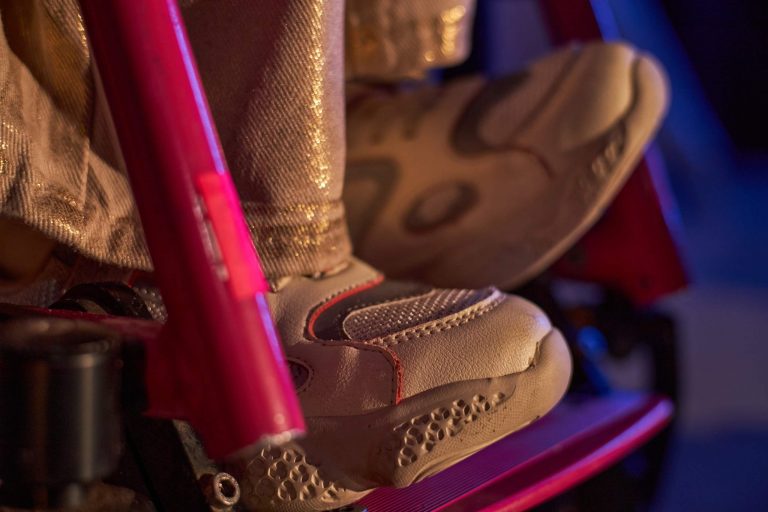
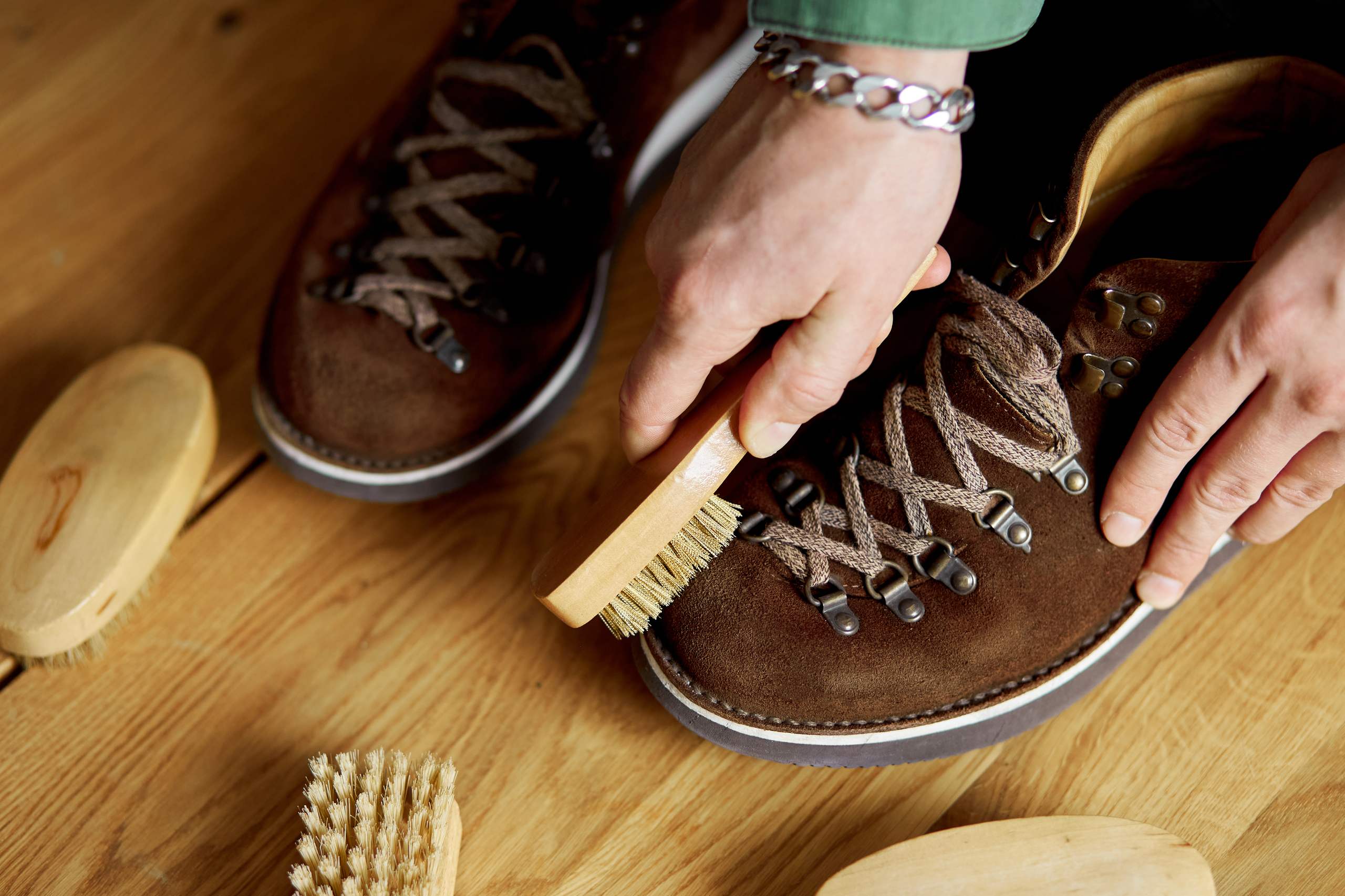
In order to pick out color choices, materials, and embellishments for a pair of shoes, it’s important that footwear designers first understand the silhouette. A shoe’s silhouette is its overall shape, which gives the first visual impact of a shoe and significantly affects the mood of a finished shoe design.
It is possible to take a basic shoe and make it feel purposeful and unique through silhouette development.
What Is a Silhouette?
The silhouette is the overall outline of a shoe. This refers to the shape of the toe, heel, sole, upper, and opening.
Two shoes could use the same materials and colors, but the two pairs of shoes could look entirely different if they have different silhouettes.
The Importance of Proportion
One of the most critical aspects of a silhouette is proportion. A shoe that has a very large sole and a very dainty upper creates a different feeling than a shoe with a thinner sole and a sturdy upper.
When working on a design, look at the entire shoe rather than getting caught up in the details right away.
Learn From Other Shoes
To enhance your knowledge of silhouettes, examine other shoes.
Observe sneakers, boots, loafers, sandals, sports shoes, and other types of footwear. Note how the shape of each shoe type varies depending on the function of the shoe.
Don’t Rely on Trends
Although trends can serve as a source of inspiration, it is more helpful to know why a certain silhouette works rather than replicating a trend.
Determine what makes a shoe appear sporty, sophisticated, chunky, light, casual, or modern.
Begin With Basic Sketches
You don’t need to be able to draw realistic sketches to try out silhouettes.
Sketch the general outline of a shoe, and play around with the overall form of a shoe. Try extending the length of the toe, raising the height of the heel, increasing the thickness of the sole, or narrowing the upper.
Make Multiple Drafts
Rather than developing a single silhouette right away, try sketching a few options.
Even small adjustments can result in dramatically different looks. By looking at all of these silhouettes side by side, you can better determine which one has the greatest potential.
Pay Attention to the Sole
The sole plays an important role in defining a shoe’s silhouette.
A high platform sole makes a shoe feel big and weighty, whereas a low-profile sole makes a shoe feel light and subtle.
The sole should complement the upper rather than appearing disconnected from it.
Take the Target Audience Into Account
A shoe’s silhouette should convey information about how the shoe should be worn.
A running shoe might benefit from a streamlined and lightweight feel, while a dress shoe might work better with sleeker proportions.
Balance Aesthetics and Practicality
A shoe’s look shouldn’t neglect the functional aspects of its design. The shape, flexibility, support, and intended motion of the shoe all factor into the silhouette.
A great silhouette combines visual appeal with utility.
Polish the Silhouette First
After you settle on a promising silhouette, make sure its proportions are correct before adding stitching, logos, textures, and other embellishments.
Even the finest details won’t compensate for a flawed shape.
Use Embellishments to Enhance the Shape
When you’re happy with the silhouette, you can use details to accentuate the form. Seams can trace the contours of the shape, and color contrasts can call attention to specific parts.
In Conclusion
A good footwear design usually starts with a good silhouette.
Explore different shoe styles, play around with proportions, think about how the upper and sole relate, and try out several silhouettes until you find the right one. When you realize how a silhouette can give a shoe its identity, designing footwear becomes much easier and much more deliberate.