
The choice of materials is one of the most critical considerations in footwear design. The material used impacts a shoe’s appearance, feel, movement, and long-term performance.
The best design isn’t just about finding an appealing material; it’s about finding a material that complements the function and construction of the shoe.
Begin by Considering the Intended Use of the Shoe
First, determine where the footwear will be used and in what manner.
A running shoe requires a different set of materials than a leather dress shoe. A casual sneaker might need to be flexible, comfortable, and breathable, whereas a winter shoe might require added insulation.
List the Key Functional Needs
What is the primary function of the shoe? Is it meant to be lightweight, flexible, stiff, durable, breathable, waterproof, or low-maintenance?
Once you know this, your search for the right materials becomes much easier.
Leather: A Timeless and Durable Option
Leather is a traditional material for footwear that continues to be widely used in modern shoe design.
Leather can offer durability, structure, and a distinctively natural look. Different grades and finishes of leather can produce very different aesthetics.
Understand the Properties of the Material
The thickness, suppleness, texture, and surface treatment of leather can vary significantly. A softer leather could be used for a more flexible shoe upper, while a harder leather could be used to give a shoe more structure.
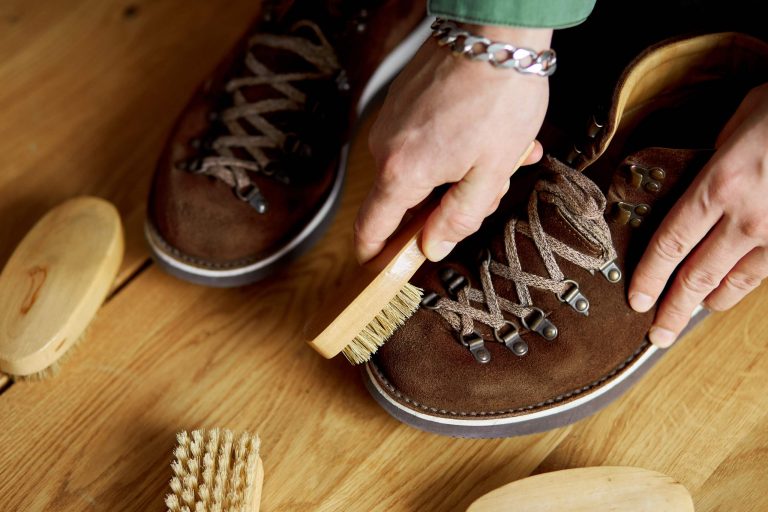
You’ll also want to think about how the material will be manipulated through cutting, stitching, molding, and care.
Fabric Materials
Fabrics provide a vast range of color, pattern, weight, and texture options.
Fabrics are often used for casual footwear, fashion designs, sportswear, and innovative footwear concepts.
Pay Attention to Structure
Some fabrics are naturally flexible and supple, while others have a stiffer construction. A fabric that is too soft for your design may require additional reinforcement.
Fabrics also give you the option to mix different types of fabric, such as woven fabrics, printed fabrics, mesh, and contrasting fabrics.
Synthetic Materials
Synthetic materials give designers access to a broad range of materials options.
They can be engineered to mimic specific properties or appearances, and are widely used in various styles of contemporary footwear.
Take Into Account the Surface
Synthetic materials can be designed to replicate natural materials or to achieve unique aesthetics.
Consider their flexibility, durability, breathability, texture, and interaction with other materials when selecting synthetic materials.
Mesh and Lightweight Materials
Mesh is typically used for athletic and lightweight shoes due to its breathability and flexibility. It also adds a nice contrast to stiffer materials.
Use Contrast Intentionally
You can combine mesh with leather, synthetic overlays, or reinforced areas to add variation to your design, both visually and structurally. Ensure that the placement of each material is intentional, instead of just adding complexity.
Don’t Forget the Sole
Choosing the right materials doesn’t just stop at the upper. The sole of the shoe also has an impact on its performance and aesthetics. You can use rubber, foam, or other materials for different properties, including flexibility, cushioning, traction, and durability.
Choose a Sole That Fits Your Concept
A fashion shoe that is meant to be light and airy will likely need a very different sole compared to an outdoor or athletic shoe. Make sure to consider how the sole affects the functionality and balance of the overall design.
Keep Color and Texture in Mind
Not all materials are only for performance; they’re also aesthetic. The same shade can appear totally different on smooth leather, woven fabric, matte faux suede, or shiny plastic-like synthetic.
Assemble a Material Palette
Create a small sample board of your materials before you finalize your design. Include the main upper material, the secondary material, the sole, the lining, and any other accent materials. This will help you determine if the various textures look cohesive.
Test Your Materials
Sometimes a material looks good in photos but doesn’t behave well when you’re actually constructing the shoe. Try cutting, bending, stretching, stitching, and molding your materials to see how they react.
Use Small Samples
Small pieces of material can show you potential issues early on. They also allow you to experiment with various material combinations and decide which ones suit your design best.
Remember Manufacturing Limitations
You need to make sure your creative design can realistically be produced. Some materials require specific machinery or techniques. Other materials might be hard to sew, mold, or fasten. Keep these limitations in mind to ensure your design is both original and manufacturable.
In Summary
The right choice of materials can bring together aesthetics, function, and construction. Begin with understanding what kind of shoe you want to create, then choose the appropriate leather, textile, synthetic, mesh, sole materials, color, and texture. If possible, test your materials and understand how they will work when building the shoe.
Good footwear isn’t designed with materials simply for their looks, but for materials that complement the design’s purpose, function, and character.